Lunch & Learn
Join us for a series of Lunch & Learn sessions where we'll dive deep into accessibility topics and share practical tips for implementation.
Optimizing Machine Readability of Accessibility in Design Files
Thursday, October 22rd @ 12:50pm
AI tools are increasingly consuming design files, but accessibility requirements are often scattered, inconsistent, or undocumented. Discover practical techniques for documenting accessibility requirements in design files in ways that improve machine readability and support AI-assisted workflows.
Karen Hawkins

Karen Hawkins is a human factors engineer and a certified accessibility professional with more than 15 years of experience. She is a co-chair of the W3C’s Accessibility Roles and Responsibilities Mapping (ARRM) Community Group, as well as project team member with the Standards Accessibility Reporting (SAR) Committee. As both a user experience designer and director, she honed her skills leading multi-disciplinary teams in creating digital solutions for leading global companies. Today, she leads the accessible design practice at Level Access, teaching customers and colleagues alike to apply accessible design thinking to all their work.
From accessible to usable: testing the experiences WCAG can’t
Friday, October 23rd @ 12:30pm
An experience can meet accessibility requirements and still be difficult, frustrating, or even impossible for someone with a disability to use successfully. So how do teams move beyond asking “Does it pass?” to understanding “Does it actually work?”
In this interactive workshop, attendees will explore the gap between accessibility conformance and real-world usability. Working with a common digital experience, participants will first identify what can be validated through automated and manual accessibility testing, and what you would still need to learn from people with disabilities.
We’ll then observe research sessions showing people with disabilities interacting with the same experience using different assistive technologies and accommodations. Attendees will compare what they expected to happen with what participants actually experienced, uncovering usability challenges that may not have surfaced through conformance testing alone.
Working in groups, attendees will turn those observations into research findings, prioritize opportunities for improvement, and explore how people with disabilities can help validate fixes. You’ll also consider how involving people with disabilities earlier in the design and development process can help prevent accessibility barriers before they arise.
Attendees will leave with a practical framework for moving beyond conformance and evaluating the overall user experience through three important questions: Is the experience accessible? Is it easy to understand and use? Does it enable people to successfully accomplish their goals?
Kate Kalcevich
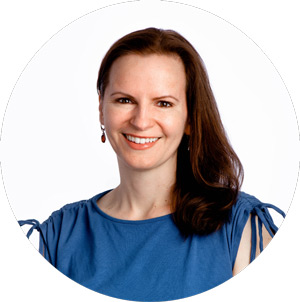
Kate Kalcevich has over 20 years of experience turning accessibility into a driver of innovation and growth. As VP of Innovation at Fable, she oversees a diverse community of people with disabilities who use assistive technology in daily life and leads research and development to focus investment where it matters most. Her work helps global organizations design products, services, and cultures where accessibility is prioritized. Kate is a member of Canada’s technical standards committee for accessible and equitable AI. She has lived experience with disability as a lifelong hearing aid wearer.